
Living in an RV full-time has become a practical housing solution for thousands of Americans. Whether you’re facing high apartment costs, rebuilding your credit, or simply want a more affordable lifestyle, full-time RV living offers financial freedom that traditional housing can’t match.
But here’s the question that stops most people: “Where to park your RV if you’re going to live in it full-time?”
You can’t just park it in your driveway, at a friend’s house, or on random land and call it home. There are HOA restrictions, zoning laws, and city ordinances that make figuring out where to park your RV more complicated than you’d think.
So how do people actually do it? Here’s the honest breakdown of where you can legally park and live in your RV long-term.
Why You Can’t Just Park an RV Anywhere
If you’re considering full-time RV living, you need to understand the restrictions first:
HOAs Usually Prohibit Long-Term RV Parking
Most neighborhoods don’t allow RVs parked in driveways or on the street permanently. Even if you own the property, HOA rules often prevent you from living in an RV on your own land.
City Ordinances Limit RV Dwelling
Cities and counties have zoning laws that restrict where to park your RV for residential use. Many require:
- Proper zoning approval
- Septic systems or sewer connections
- Utility hookups (water and electric)
- Time limits on how long an RV can stay in one location
- In some cases, a permanent structure on the property
Mobile Home Parks Usually Don’t Accept RVs
You’d think mobile home parks would be perfect, but most won’t allow RVs. Zoning separates “manufactured homes” from “recreational vehicles,” and most mobile home parks only accept the former.
This is the reality of full-time RV living. You need a legitimate, legal place to park your home.
1. Long-Term RV Parks (The Most Common Choice for Where to Park Your RV)
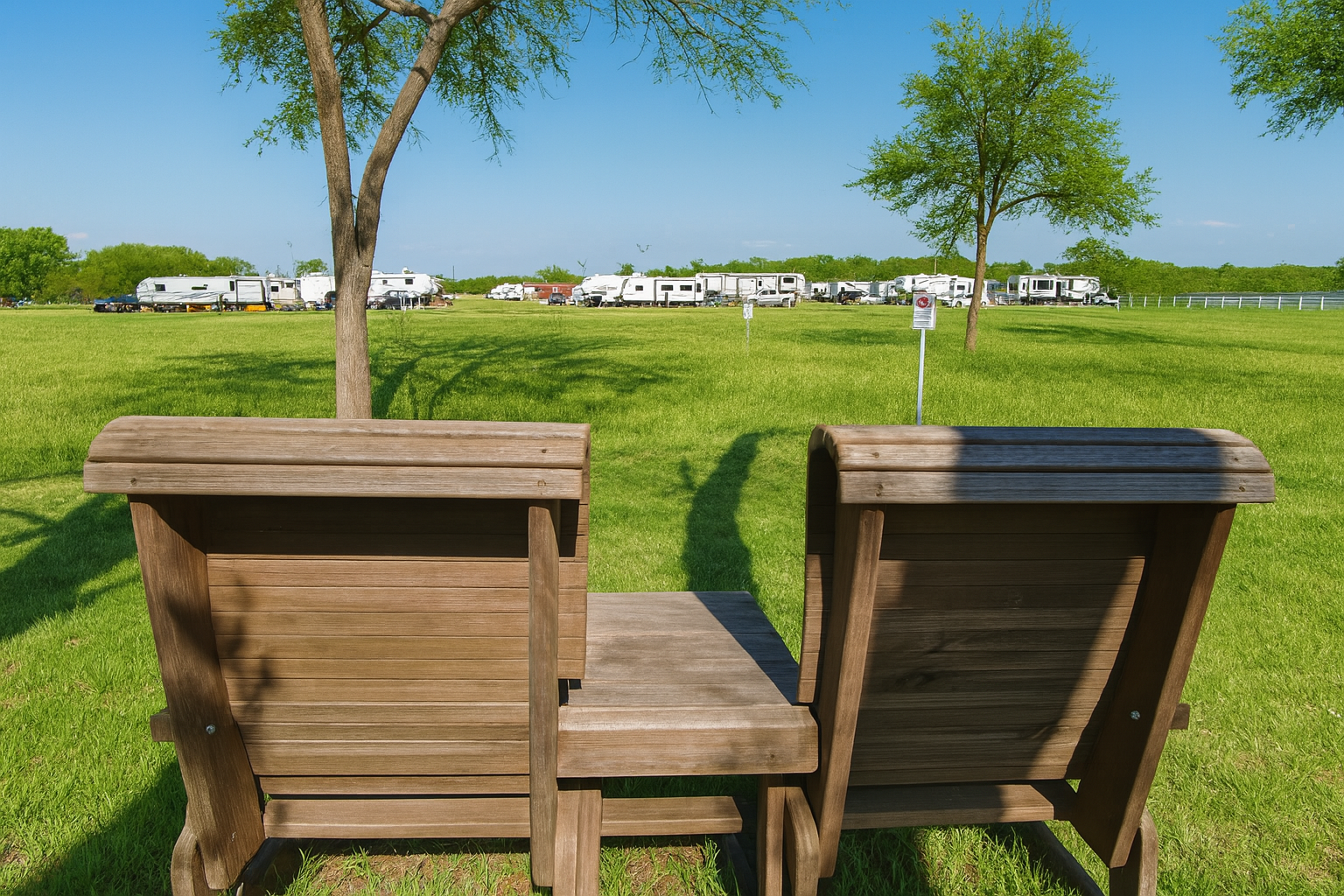
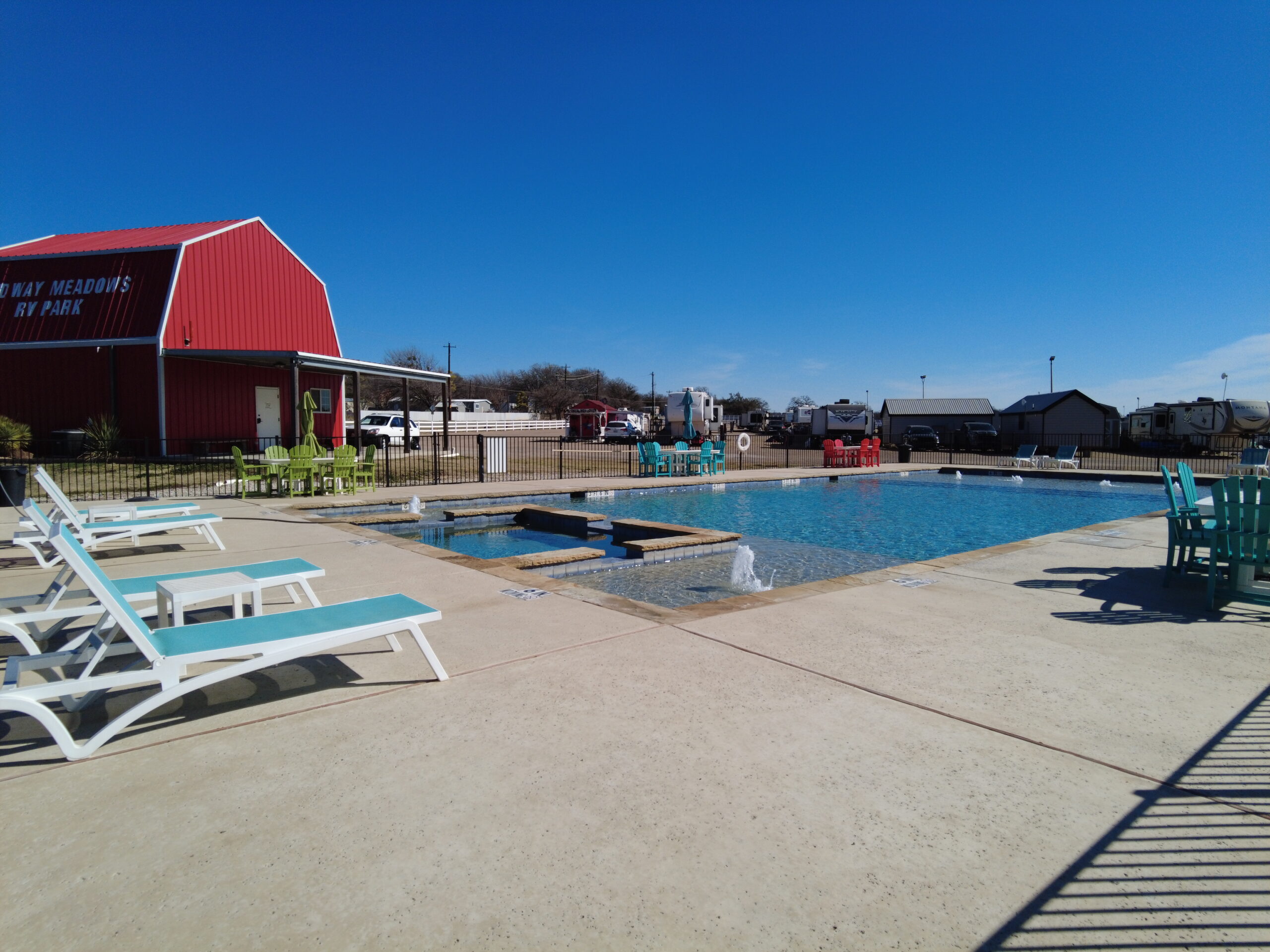
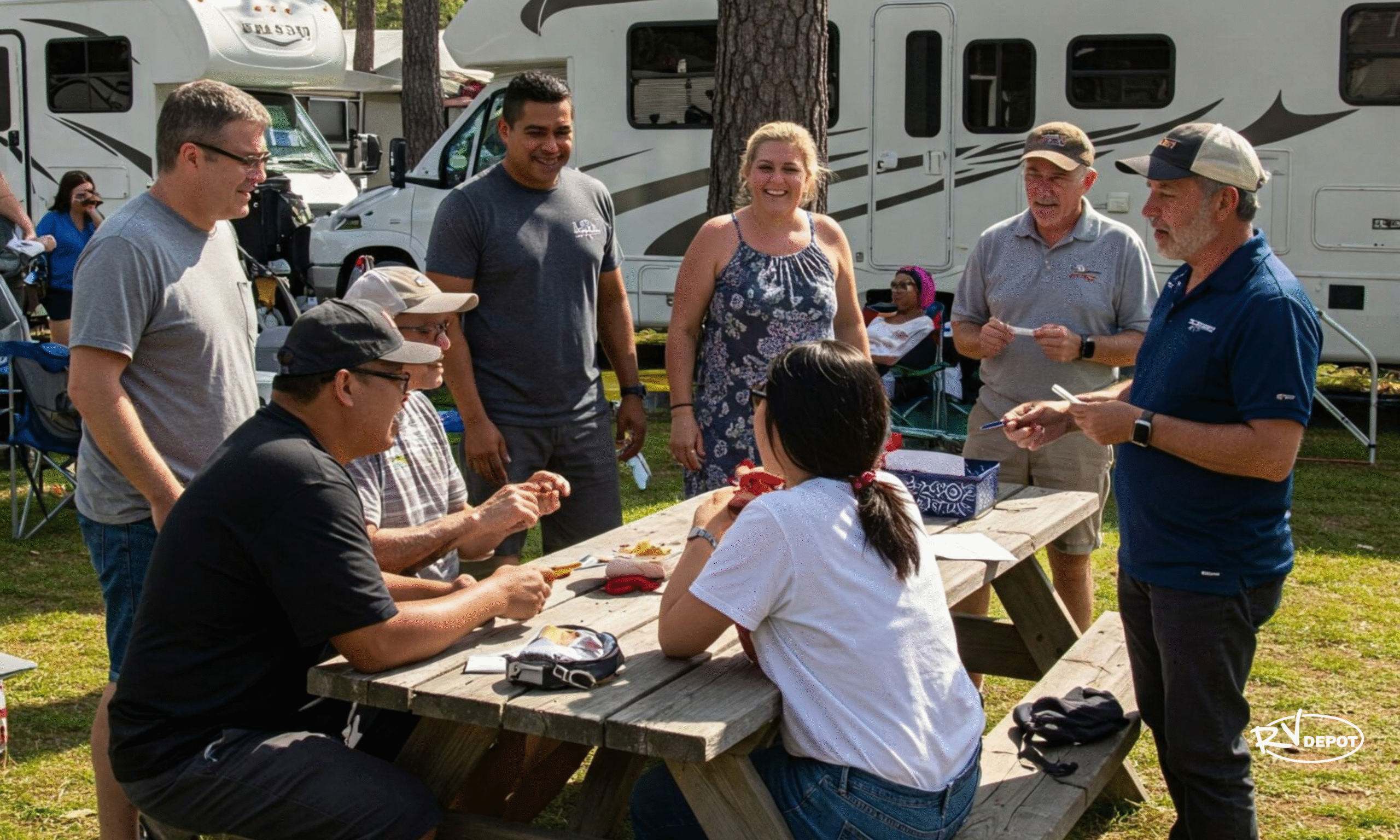
This is where most full-time RV residents live, and it’s the simplest solution. Long-term RV parks are designed specifically for people who live in their RVs permanently or semi-permanently.
What Long-Term RV Parks Offer:
| Feature | What You Get |
|---|---|
| Monthly/Annual Sites | Stable, long-term parking with lease agreements |
| Full Hookups | Water, electric, and sewer connections |
| Amenities | Laundry facilities, showers, mail services |
| Community | Other full-time residents, social spaces |
| Legal Address | Many parks provide a physical address for mail and legal purposes |
Monthly costs typically range from $400–$1,200 depending on location and what’s included. In Texas, you can find solid long-term parks for $500–$600/month, which is significantly cheaper than apartment rent.
Not every RV park allows long-term residents. Some are vacation-only. But plenty do—you just have to ask specifically about long-term or permanent sites.
Who Lives in Long-Term RV Parks?
- Families looking for affordable housing
- People rebuilding their credit
- Retirees on fixed incomes
- Workers who prefer RV living over renting apartments
- Anyone wanting to live debt-free and save money
2. Where to Park Your RV: Extended-Stay Campgrounds
Some campgrounds cater specifically to extended stays rather than weekend campers. These offer another great answer to where to park your RV long-term:
- Monthly rates (often cheaper than nightly rates)
- Seasonal contracts (3–6 months)
- Year-round availability
- Full hookups and amenities
Look for campgrounds advertising “extended stay,” “monthly sites,” or “full-time residents welcome.” These aren’t tourist traps—they’re legitimate housing options.
3. Renting a Spot on Private Land
If you want more privacy and don’t want to live in a park, renting private land is another solid option for where to park your RV.
This could be:
- A spot on a friend’s or family member’s rural property
- Rented acreage from a local landowner
- Private lots outside city limits
What You’ll Need:
- Electric hookup (power pole or generator setup)
- Water source (well access, delivered water, or city connection)
- Septic system or holding tank service
Many rural Texas counties have lenient regulations about RV dwelling on private land. This setup gives you privacy, often costs less than an RV park, and lets you live on your own terms.
4. Workforce RV Housing Parks (Big in Texas)
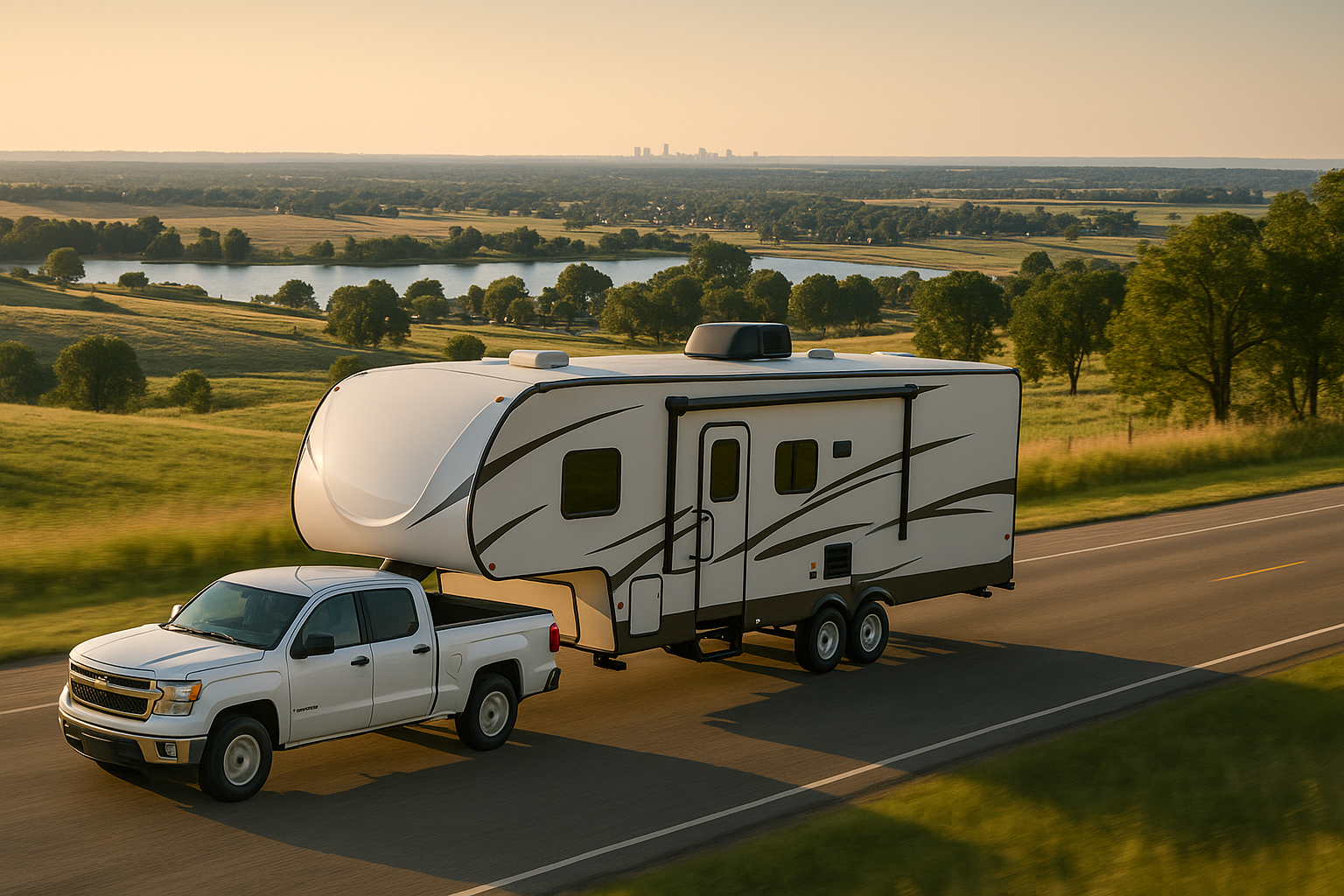
Texas has thousands of workforce housing parks designed for people working in:
- Oil and gas fields
- Construction
- Travel nursing and medical contracting
- Seasonal industries
These parks are perfect when you’re figuring out where to park your RV for full-time living because they offer:
- Month-to-month leases with no long-term commitment
- Affordable rates ($300–$600/month)
- All utilities included
- Legal, stable long-term parking
Even if you don’t work in these industries, some workforce parks accept anyone looking for affordable RV living. It’s worth checking out if you’re in Texas.
5. RV Co-op Communities
RV co-ops are planned communities built specifically for full-time RVers. These communities provide an excellent solution for where to park your RV permanently. These offer:
- Lots you can own or rent long-term
- Full utility hookups
- Community amenities (pools, clubhouses, etc.)
- Permanent stability—no relocating every few weeks
They’re not available everywhere yet, but they’re growing fast in states like Texas, Arizona, and Florida.
6. Buying Your Own Land
Owning land sounds like the ultimate freedom for where to park your RV permanently, but it’s not as simple as parking your RV and living there.
Most counties require:
- Zoning approval for RV dwelling
- Septic system installation
- Utility connections (electric and water)
- Building permits
- Sometimes a permanent foundation or primary structure
Rural areas are usually more flexible. Some Texas counties have very lenient RV dwelling laws. Others are strict. Before buying land, you need to research the specific county’s zoning and building codes to understand where to park your RV legally on your own property.
If you’re willing to jump through the hoops, owning land can be the best long-term solution. But it’s not a quick or cheap process.

The Truth: Do You Have to Constantly Move Your RV?
No, not if you choose the right setup.
The “constantly searching for a new place to park” scenario only happens if you:
- Pick an area with limited long-term options
- Try to skirt the rules by parking illegally
- Don’t secure a stable long-term spot upfront
Once you find the right RV park, campground, or private land arrangement, most people stay for months or years. There’s no constant relocating unless you choose that lifestyle.
The key is doing your research and securing a legal, stable spot from the start.
Full-Time RV Living: Who It Works Best For
Full-time RV living isn’t for everyone, but it works incredibly well for:
People Facing High Housing Costs
If rent or mortgage payments are eating your paycheck, RV living can cut your housing costs in half (or more). Once you know where to park your RV long-term, you can enjoy stable, affordable housing.
Families Rebuilding Credit
Living affordably in an RV while rebuilding your finances is a smart strategy. Lower monthly expenses mean you can focus on paying down debt and improving your credit score.
Workers Who Move Frequently
If your job takes you to different locations, living in an RV eliminates the hassle of finding rental housing in each new city.
Anyone Wanting Financial Freedom
No mortgage. No property taxes. Lower utility costs. RV living gives you the freedom to save money and live on your terms.

Finding the Right RV for Full-Time Living
Not every RV is built for full-time living. When you’re choosing an RV to live in permanently, look for:
- Solid construction that holds up to daily use
- Adequate living space for your family size
- Residential-style appliances (full-size fridge, real oven, etc.)
- Reliable systems (plumbing, electrical)
- Enough storage for your belongings
At RV Depot in Cleburne, Texas, we specialize in helping people find RVs for full-time living—not just weekend camping. Our team has real-world RV living experience and understands what actually works for daily life.
Financing Your RV When Traditional Lenders Say No
Here’s the reality: many people who need affordable RV housing the most are the ones traditional lenders won’t finance.
At RV Depot, we offer in-house financing for all credit situations:
- Past credit challenges? We can help.
- Bankruptcy or repossession? We work with you.
- Limited credit history? Not a problem.
- Been turned down elsewhere? We specialize in saying YES.
We report your payments to Equifax, which means your on-time payments help rebuild your credit while you live affordably. It’s housing and credit rebuilding in one solution.
Making Full-Time RV Living Work
Figuring out where to park your RV is absolutely doable with the right plan:
- Research your area’s regulations before committing
- Secure a long-term spot at an RV park or on private land
- Choose an RV built for full-time living with quality construction
- Budget for monthly site rent as part of your housing costs
- Have a backup plan in case your situation changes
With the right setup, you can live comfortably, affordably, and legally in your RV for as long as you want.
Ready to explore full-time RV living? Visit RV Depot in Cleburne, Texas, or give us a call. We’ll help you find the right RV and financing solution to make affordable, full-time living a reality—regardless of your credit situation.
📍 Visit: 4319 N. Main St, Cleburne, TX 76033 📱 Call or text: 💻 Browse Inventory: rvdepottx.com
Questions about full-time RV living? Join thousands of Texans who’ve discovered that home isn’t a place—it’s wherever you park it. Full-Time RV Living Community
FOLLOW US ON SOCIAL MEDIA


